This week: October 2, 2026 - Charles Hart - Hold the Standard - Keep the Human


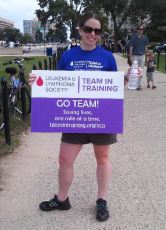
Melissa Dentch is the local campaign manager for “The Light the Night Walk”, a national fund raiser for the Leukemia and Lymphoma Society (LLS) which supports blood cancer research. Melissa showed a clip of girl near death who was given a research drug that attacked the cancer blood cells and resulted in total remission. More than 200 communities participate in the Light the Night Walk by forming teams of friends and families. The events start at 5PM. Locally, LLS hosts 3 Walks: Rockville Town Center (Oct 11), Reston Town Center (Oct 17), and Washington, DC (Oct18). For more details go to www.lightthenight.org/nca
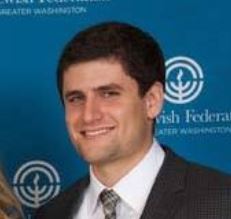
Max Levitt founded Leveling the Playing Field in the Spring of 2011 during his senior year at Syracuse University. The purpose of Leveling the Playing Field (LTPF) is to give underprivileged children the opportunity to enjoy athletic involvement. LTPF collects donations of sports equipment from various collegiate athletic departments, families and individual donors from across the nation. Studies show that students who participate in sports have higher grade point averages, attendance rates, standardized test scores, educational aspirations, health habits and feelings of connection and belonging. Because of equipment costs, 1 in 5 children are not involved in organized sports. LTPE currently provides sports equipment for kids located between Northern VA to Baltimore MD. For more information on Leveling the Playing Field go to www.levelingtheplayingfield.org.
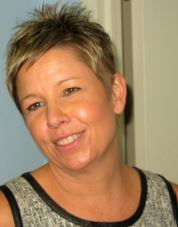
Helping people to deal with the sometimes paralyzing pain of loss is the purpose of the Wendt Center for Loss and Healing. Founded by Fr. William Wendt, an Episcopalian priest, the Center now serves about 900 clients in the Greater Washington region per year. Michelle Palmer from the Center explained that its activities are wide-ranging and adapted to people of all ages. An incapacitating sense of loss can result from many different causes, including death, sexual assault, family violence or fragmentation, imprisonment, trauma, broken heart, geographical moves, and loss of a pet. The Center can also help prepare people for an anticipated loss such as of a loved one, a home, or a job. The Center was part of the crisis response team that helped handle the after-effects of the Navy Yard shootings. The Center is in a partnership with the D.C. morgue, where over 2000 people come every
year to identify deceased loved ones. Persons who are so bereaved or traumatized that they are wholly overwhelmed and incapacitated receive three very basic pieces of advice:
Michelle gave this general advice to her audience: If you encounter a person in the midst of acute grief or loss, help by doing small concrete, everyday things.