This week: October 2, 2026 - Charles Hart - Hold the Standard - Keep the Human



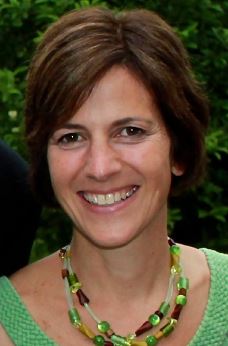
Eva Cowen was the Assistant Director and then Director of Special Needs Programs at the Jewish Community Center of Greater Washington, in Rockville, Maryland, from 1989 to 2009. She coordinated, facilitated and oversaw the inclusion of people with disabilities into all Center programs and activities including classes, sports leagues, Summer camp, Winter and Spring Camps sports and fitness programs, lectures, concerts, festivals and other activities. She has presented and been consulted nationally and internationally on best practices for inclusion. She was a member of the Maryland State Developmental Disabilities Council for 10 years and also serves on the advisory committee for the Sunflower Bakery and sits on the Board of Directors of the Jewish Foundation for Group Homes.
For 30 consecutive summers she has been on the leadership team of Camp JCC at the Jewish Community Center of Greater Washington in Rockville, Maryland. She has overseen the full inclusion of children with a complete range of disabilities and has also run the summer program for teens and young adults with multiple disabilities.
She has received several awards from parent advocacy groups, the JCC of Greater Washington, The Association of Jewish Center Professionals, the American Camp Association, and The Jewish Federation of Washington.
Currently Eva does consulting work for the Foundation for Jewish Camp, The Anti Defamation League, The Sunflower Bakery, The Friendship Circle of Maryland, Balancing Life’s Issues, Howard County Department of Recreation and other organizations. She has consulted both nationally and internationally regarding best practices for inclusion of people with disabilities.
Eva also has an older brother who has autism and she has always been very involved in ensuring that he lives a happy, fulfilled and productive life.
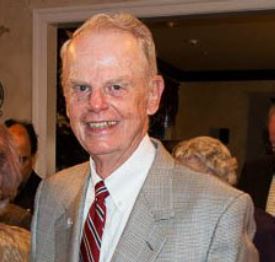
James Garfield was one of the most extraordinary men elected president. Born in poverty in rural Ohio, by dint of his brilliance and work ethic he became a wunderkind scholar…a bold Civil War General…a passionate advocate of freed slaves… and gave spellbinding speeches in Congress and at the 1880 Republican Convention. Though Garfield was shot in July 1881 and died in September, he defeated the corrupted leadership of the Radical Republicans and changed the “destiny of the Republic” by bringing North – South – East – and West together after the bitter Civil War reconstruction period.