This week: October 2, 2026 - Charles Hart - Hold the Standard - Keep the Human


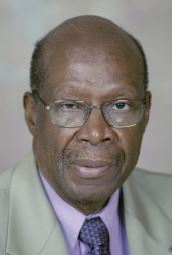
Our friend and frequent Rotary visitor and Executive Director of Migration and Refugee Services for the US Conference of Catholic Bishops, Johnny Young, talked about the role of faith based organizations. They serve and
advocate for refugees, migrants, unaccompanied children, and victims of human trafficking. He talked about the plight of the children escaping the violence in El Salvador, Guatemala, and Honduras, and their getting do process and resettlement services. Johnny Young served as US Ambassador to Bahrain, Republic of Togo, and Republic of Sierra Leone.
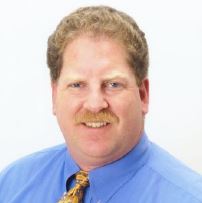
Heath said that command and control barking of orders may work in the military but it doesn’t work in for profit companies or volunteer organizations. Heath talked about his Toast Masters training experience. He used M&Ms to reward productivity at Toast Masters. He talked about going to Chile to straiten out a large engineering project that was in the ditch. He used leadership training to get five executives to work as a team and the project was finished successfully. Positive attitude is important.. “Changing the course of a river is done one stick at a time.”
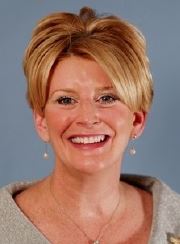
The Mission of Montgomery Hospice is to gentle the journey through serious illness and loss with skill and compassion. To achieve its goal, an interdisciplinary team of doctors, nurse practitioners, social workers, spiritual counselors, bereavement counselors, and highly-trained volunteers work with patients and their families in private homes, nursing homes, assisted living facilities, and at Casey House, our 14-bed acute care facility. Montgomery Hospice (founded in 1981) is an independent, not-for–profit organization that is accredited by The Joint Commission, certified by Medicare and Medicaid, and recognized as the preeminent provider of end-of-life care and grief services in the county. Gerry Vent is VP of Philanthropy.