This week: September 25, 2026 - Dr. Anthony D. Panzera - Every Neighbor United for Food (Zoom Only)


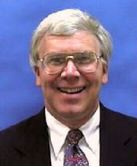
Bob Ekman is a software engineer and project developer. He retired from a forty-four year career in software development and teaching in IBM and Lockheed Martin. He worked on government contracts, from space projects (Apollo) in the 60’s to defense research projects (DARPA) in the 90’s. He developed commercial software for IBM and human resources software for Lockheed Martin, and taught internal classes in software engineering, programming, and web development.
Bob is deeply committed to developing the next generation of engineers. He has led the Engineering Exploring Program in Rockville, Maryland for over twenty years. This program uses hands-on learning activities in robotics, rocketry, and drones to give high school students experience in engineering and inspire them into engineering careers. He has mentored over 500 teenagers through this program
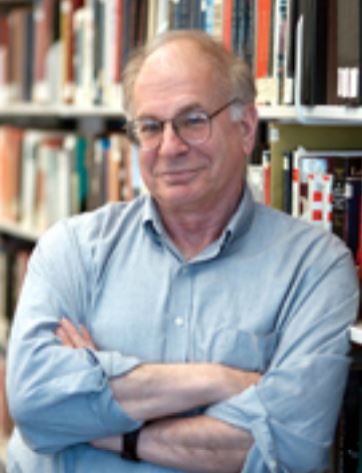
Daniel Kahneman is an Israeli psychologist and economist notable for his work on the psychology of judgment and decision-making, as well as behavioral economics, for which he was awarded the 2002 Nobel Memorial Prize in Economic Sciences (shared with Vernon L. Smith). His empirical findings challenge the assumption of human rationality prevailing in modern economic theory.
In 2011, he was named by Foreign Policy magazine in its list of top global thinkers. In the same year, his book Thinking, Fast and Slow, which summarizes much of his research, was published and became a best seller.
He is professor emeritus of psychology and public affairs at Princeton University’s Woodrow Wilson School.
This presentation, given at a TED conference, uses examples from rations to colonoscopies, to reveal how our “experiencing selves” and our “remembering selves” perceive happiness differently.
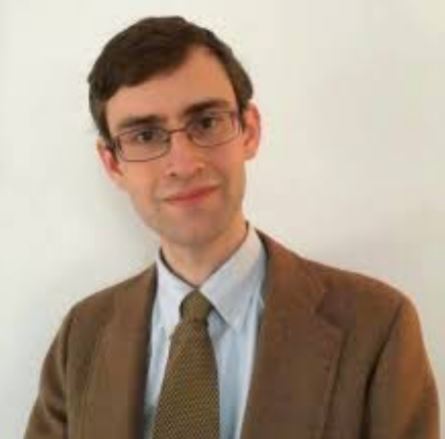
Dr. Matthew Franke is Master Instructor of Music History at Howard University. He has a Ph.D. in musicology from the University of North Carolina at Chapel Hill and a B.A. from the University of Puget Sound. His main research area is French and Italian opera in the long nineteenth century, particularly Massenet, Puccini, Mascagni, and Bizet. But he also has strong interests in global music and the role of music in creating a sense of nationalism.