This week: October 2, 2026 - Charles Hart - Hold the Standard - Keep the Human


The oldest and largest wildlife rehabilitation facility in the State of MD, Second Chance Wildlife Center in Gaithersburg cares for about 3,500 ill, injured, and orphaned wild animals per year. The goal is to release the animal or bird back into the wild once it is able to survive on its own. In May and June 40% of the distressed animals are turned in. Mother rabbits leave their babies alone for up to 12 hours. If the babies are picked up, they will be in shock; so be quiet. Squirrels are born in the fall and the mother will store lots of acorns for the winter. Because squirrels are very territorial, recovered babies have to be released in the same area that they came from or the other squirrels will run them off. Possums are born in a pouch and are non-territorial. Ground Hogs sleep through the winter.
Daniel Stashower’s book “The Hour of Peril: The Secret Plot to Murder Lincoln Before the Civil War” is about how Allan Pinkerton, America’s first private eye, saved Abraham Lincoln’s life in 1861 on his way to DC. His book details the plan cooked up by a barber named Capt. Cypriano Ferrandini, a Corsican immigrant, who was one of many secessionist sympathizers in Baltimore, who with a band of 20 planned to assassinate Lincoln changed trains in February 1861. The press reported Lincoln would change train stations in Baltimore on Feb. 23 on his way to DC. The book is about how Pinkerton discovered the assassination plot and got the President-elect
safely to DC.
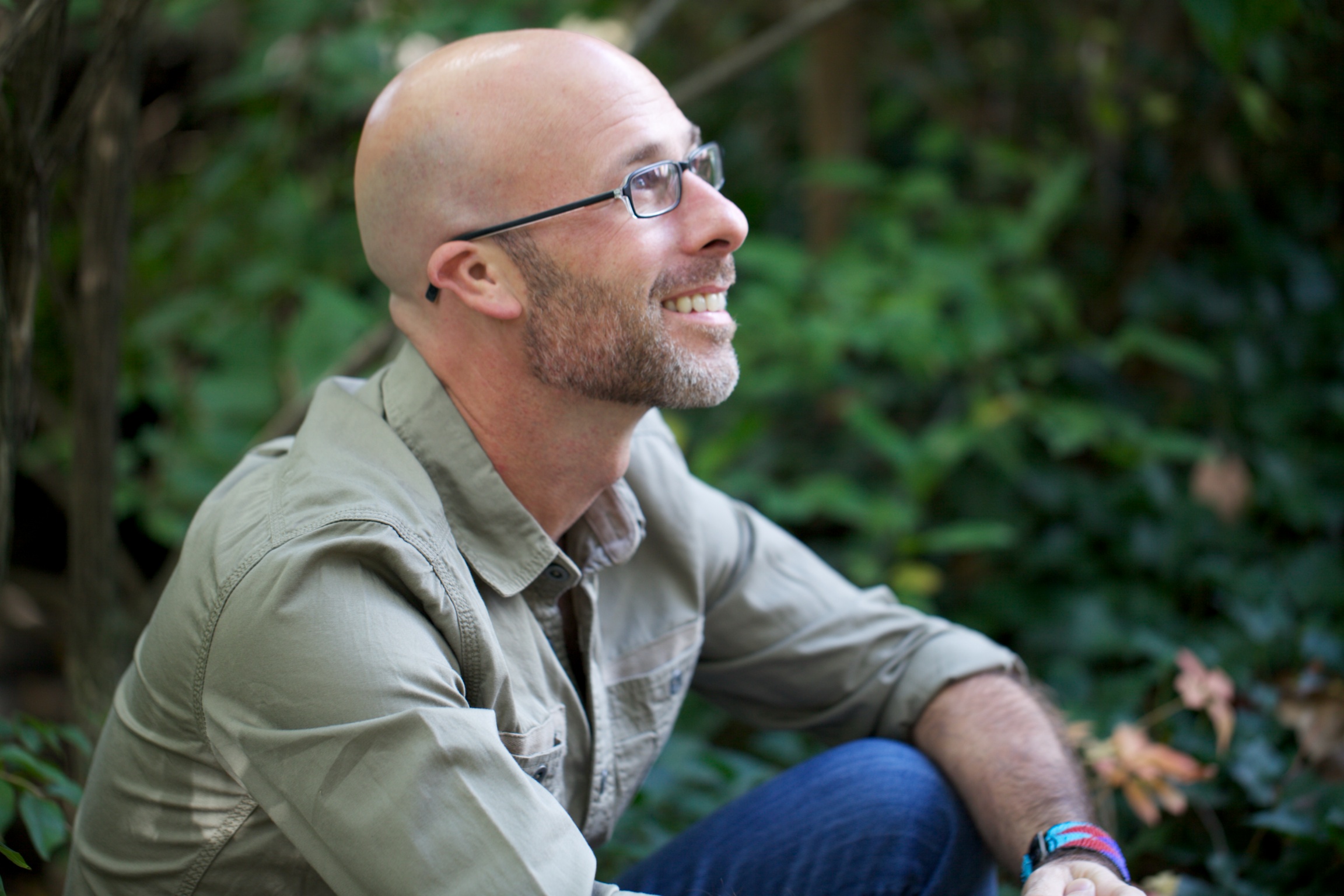
Robbie Schaefer worked for a telecom company after college and was bored and miserable. His father asked “well what do you want to do?” His answer was he wanted to sing and follow his heart and go to Africa. He went to a school in Uganda where everybody was happy to see him but the grumpy security guard. He taught the children to sing “The Sound of Music” which they wanted to sing over and over; and Robbie noticed the security guard with a smile looking in the class room from outside the window. He created a non-profit “One Voice”. The kids sang to raise $’s to build a new school. The kids also painted pictures of hearts to raise $’s for 13 children to have heart surgery. Robbie later went to India on a similar project and taught the children to sing “Voi – Ya – Ya’ “We are following the path to your heart”.