This week: September 25, 2026 - Dr. Anthony D. Panzera - Every Neighbor United for Food (Zoom Only)


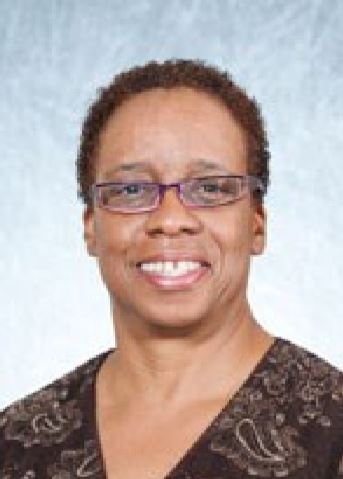
Lena G. Caesar, PhD, EdD, CCC-SLP
Associate Professor
Dept. of Speech-Language-Hearing Sciences
Loyola University Maryland
Making Communication a Human Right: The Work of Speech-Language Pathologists and Audiologists in the United States & Abroad
Summary: This presentation will describe the role that SpeechLanguage Pathologists and Audiologists play (both nationally and internationally), in improving the lives of individuals with communication disorders. An overview of (a) the types of populations served and (b) the types of disorders treated will be provided–as well as ‘real-life’ examples of individuals for whom the ‘right’ to communicate has been restored. Special emphasis will be placed on the need for services in economically-disadvantaged countries with little or no access to services.
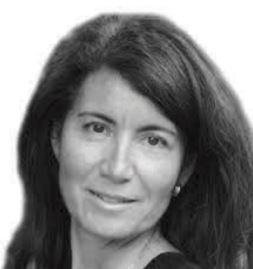
Eva Dominguez serves as a Legislave Representave at the Alliance for Rered Americans in Washington, DC. In March 2013, Eva also became the Execuve Director of Lanos for a Secure Rerement. Prior to her current posions, Eva served as a Senior Policy Advisor to Congressman Robert Wexler of Florida. In that capacity, Eva advised Congressman Wexler on health care policy, including Medicare and Medicaid, pensions, veterans and foreign policy issues in the Western Hemisphere. Prior to her me on Capitol Hill, from 1990-1996, Eva worked for then-Florida State Senator Robert Wexler, and from 19881990, for Florida House Speaker Tom Gustafson.
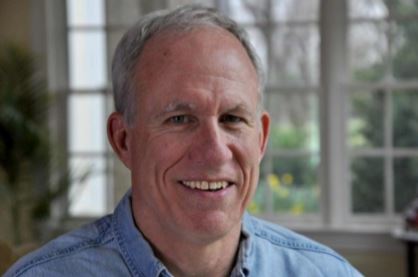
Bill Conway is running for County Council after a career as a lawyer in the U.S. Senate and in private practice. He has lived in Montgomery County for more than 30 years. He and his wife, Diana Conway, are longstanding activists in political and civic affairs. In 2007 and 2008 Bill was a member of President Obama’s MidAtlantic Finance Committee.
Bill currently serves as president of his homeowners’ association and as a board member for the Montgomery County Historical Society. He is also the board chair of Washington Revels, a performing arts organization based in Silver Spring that promotes community through neighborhood events, educational programs, and an annual winter solstice show seen by 10,000 people.